Fogbound
Artist Statement
When I was 15, I left my friends and family in Sikkim to study in the United States. As I grew into adulthood away from home, I also gradually began to experience an untethering from my cultural roots and the notable absence of something intangible when I did return. My photography series Fogbound is a series of photographs which were created as a meditative exercise, illuminating my morphing spiritual connection to Sikkim upon returning home six years after my departure as a teenager. The project was initially conceived of as a photo essay, for which I was awarded the Steinbrecher Fellowship. I had begun to reflect on my departure from home, responding in writing to some photographs I had already made, but quickly came to realize that the two could not be married. Instead, the visual language that emerged from the exposure of celluloid took center stage in uniquely being able to convey what I was truly missing about home.
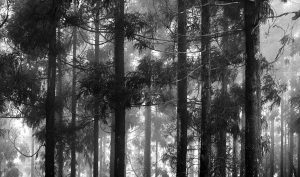
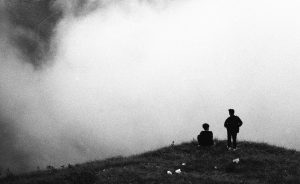
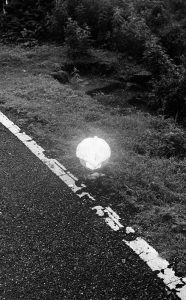
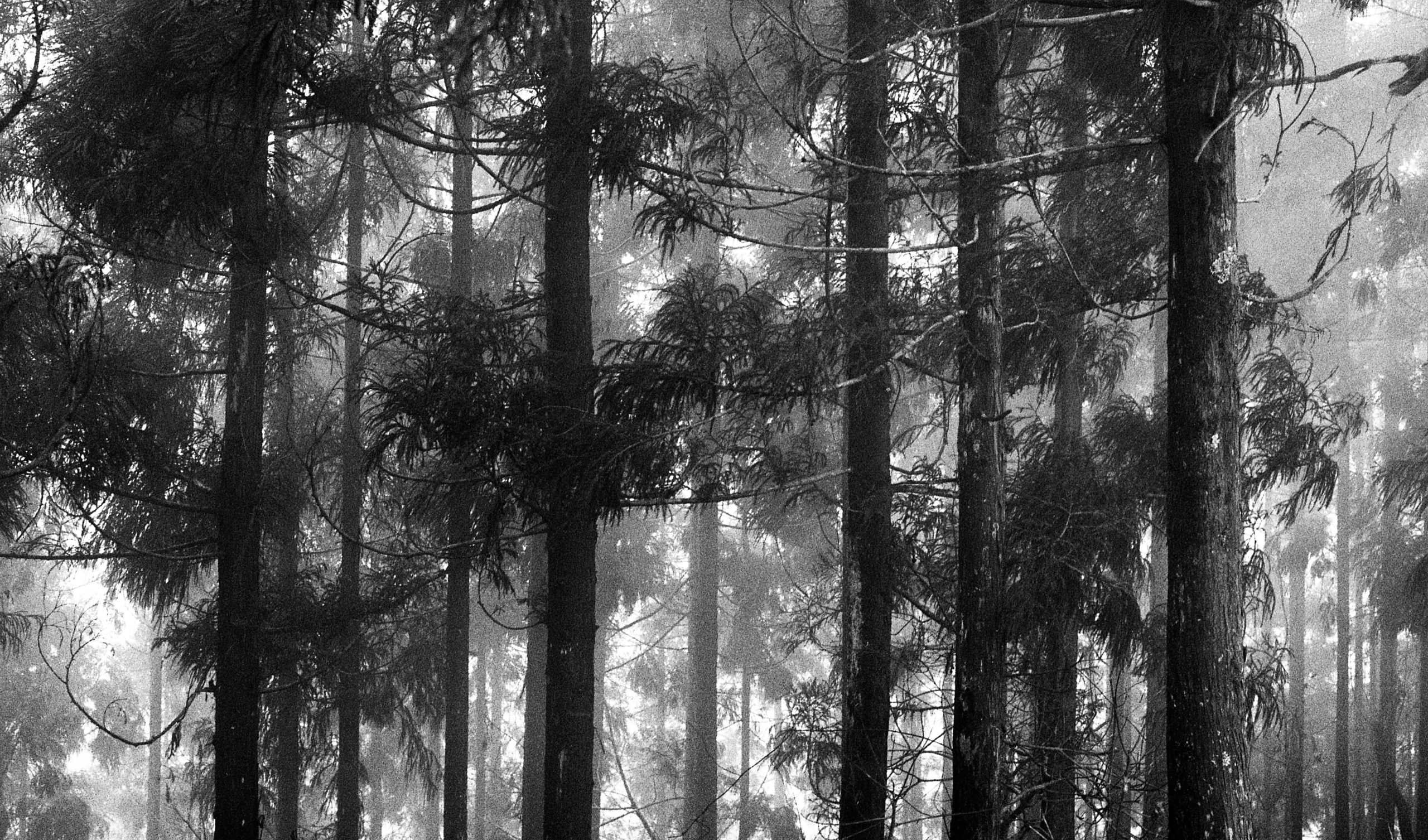
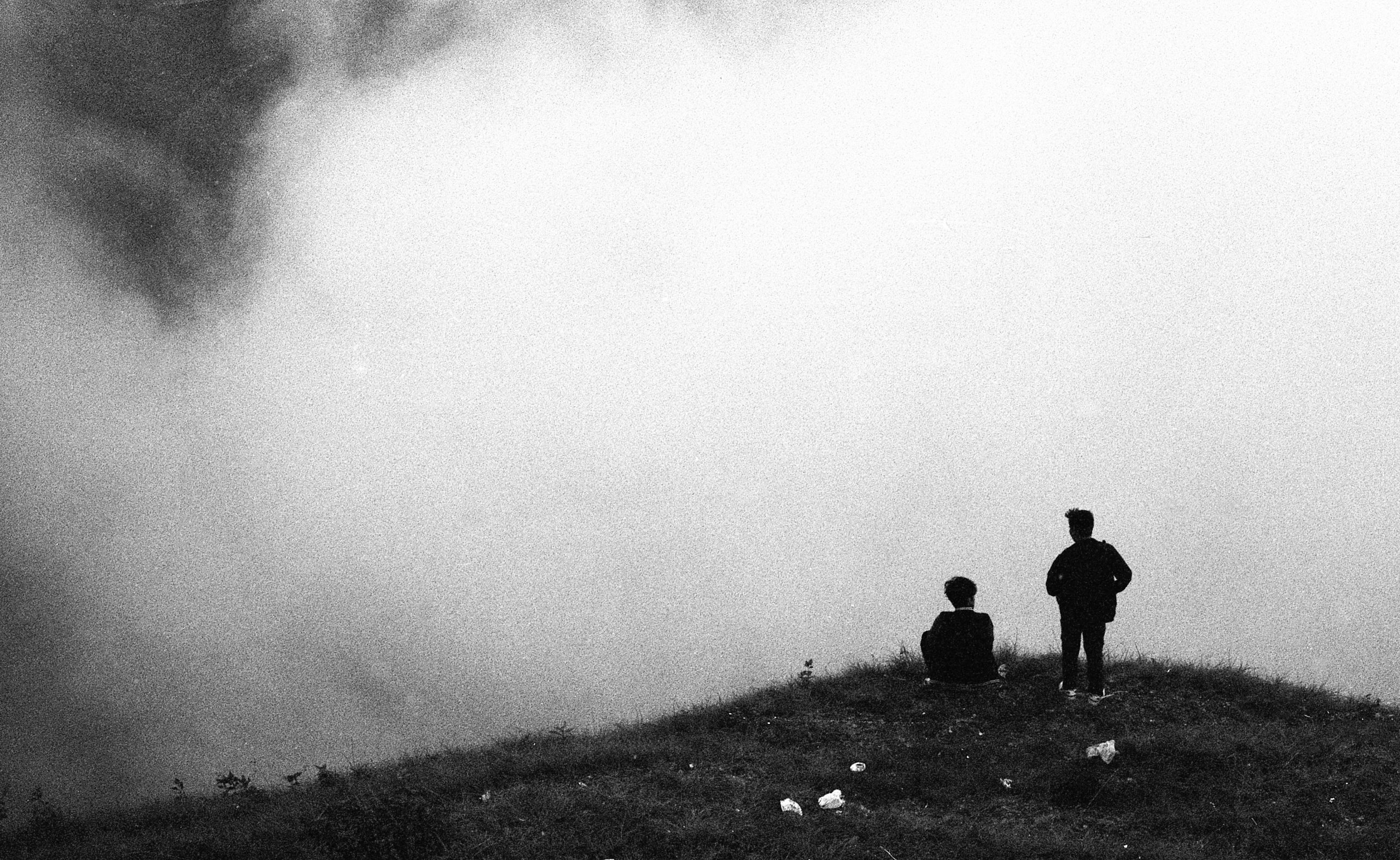
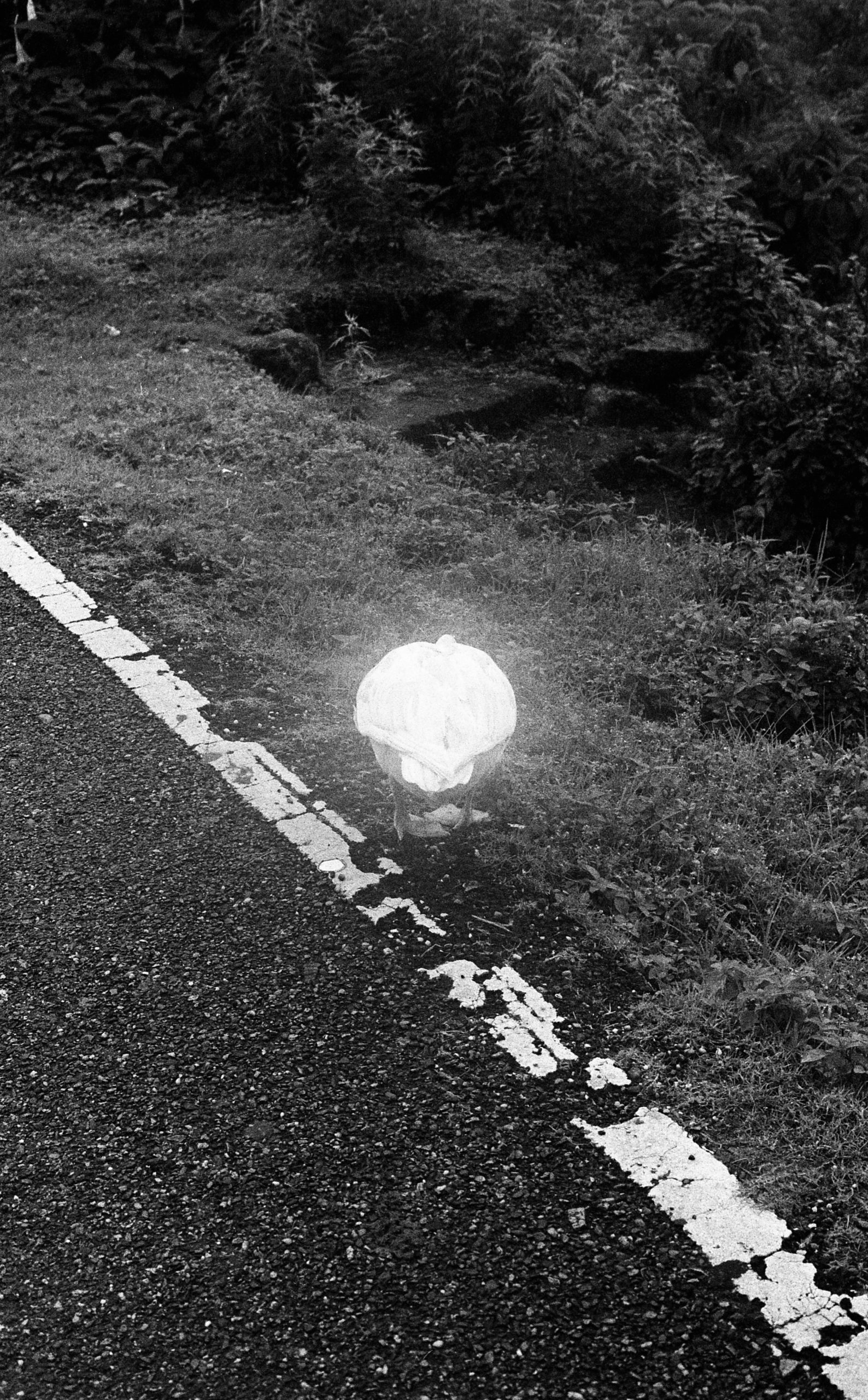
The photographs became a way to elicit what I could not put into words, prioritizing emotion over understanding. Through Fogbound I have not found a way to reconcile my complicated feelings about memory and the places I call home, but instead to accept it. With this series, I was trying to avoid setting out with a preconceived idea of what to photograph, but instead to let my eye and body guide me through the spaces I was revisiting. I chose to photograph with a black and white film stock to simplify the process of looking, omitting the color of my memories. As I wandered the busy streets and bazaars, I felt myself taken by form, light and textures that quietly echoed my diasporic melancholia. The analog technology was critical to the way I worked as physically handling the film and winding the camera became synonymous with the act of breathing as I meditated transforming each photograph into a sacred document. The delay in being able to see the photographs until I developed them positioned me firmly behind the lens and viewfinder, in a constant state of reckoning with the present over the nostalgic past that I yearned for but no longer existed. I push processed the negatives, which resulted in added contrast, and more pronounced film grain allowing ghosts of that past to be able to creep into the present, like the fog, mist and rain that is characteristic of the season I usually come home. As I worked, my approach grew increasingly abstract, forgoing verisimilitude in favor of distillation.
The photographs are arranged to welcome the viewer into a meditative space for mindful contemplation on the spiritual loss of a homeland. An underlying sense of isolation from the land is created, as indigeneity and belonging are called into question from a diasporic point of view. Subjects are often obscured and abstracted into the landscape reflective of a renewed perspective on the environment altered by adaptations to new cultural norms and a departure from old ones. It’s been over a year since I returned home to make these photographs, but I continue to learn and make meaning from them. This body of work has taught me that although I will never be able to return to the home I left behind, I will make new homes for myself as I grow.
Artist Biography
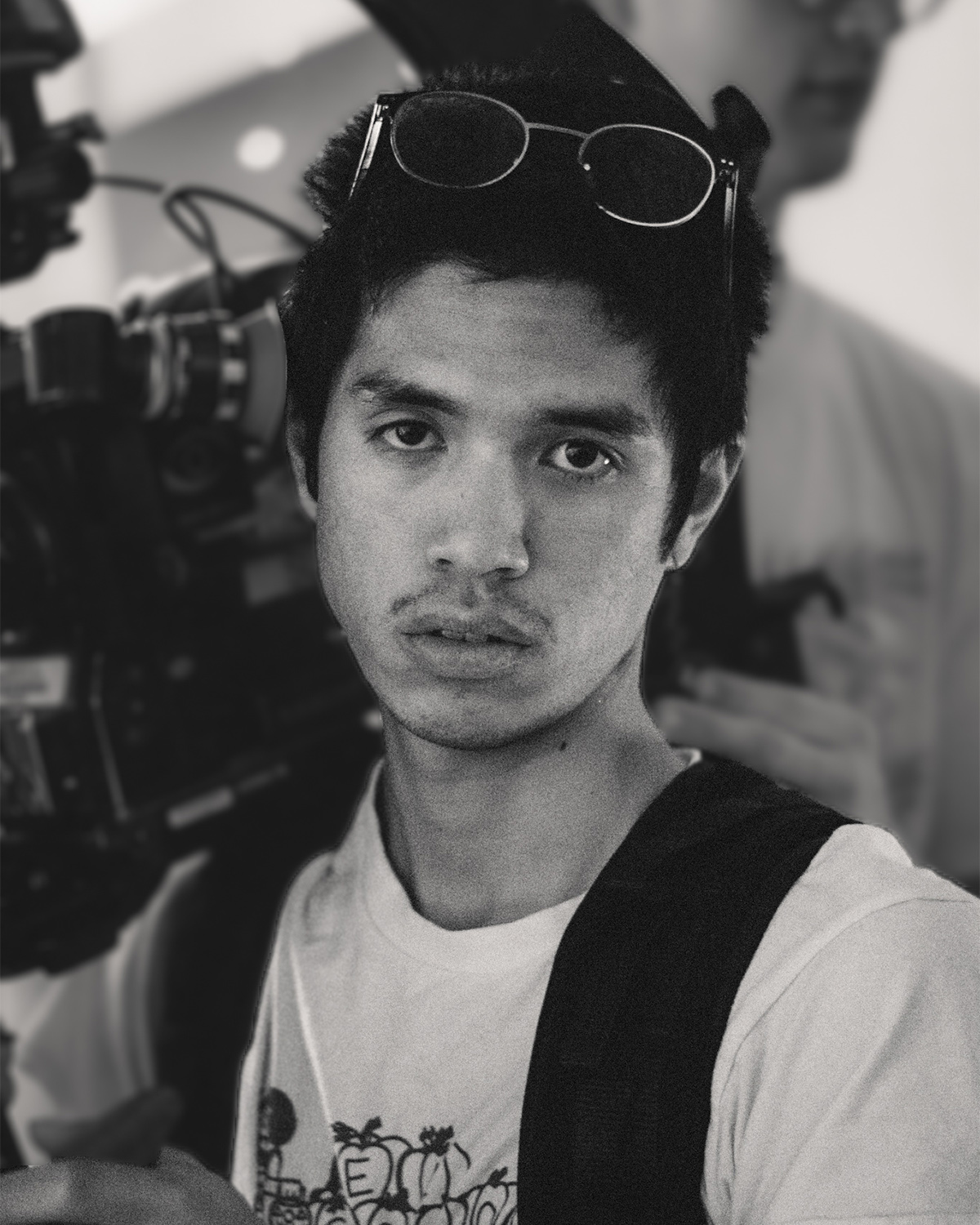
Gyani Pradhan Wong Ah Sui is a non-binary, queer Mauritian-Sikkimese filmmaker, photographer, and visual artist whose work delves into the intersections of identity, memory, and belonging. Drawing from their lived experiences as an immigrant navigating the complexities of home, cultural dislocation, and gender identity, their art explores themes of diasporic melancholia, repressed identity, and spiritual reconnection. Through analog photography and experimental fiction film, they create emotionally resonant pieces that reflect the fluidity of both gender and cultural belonging. Their work, which includes the semi-autobiographical film Moving Room and the photography series Fogbound, uses abstraction and surrealism to explore internal emotional landscapes. By prioritizing emotion over understanding, Gyani’s art provides a space for viewers to reflect on their own questions about identity and home. Their artistic practice embraces the in-betweenness of existence, viewing it not only as a state of not belonging, but as a place of freedom and community.